
Honestly, when someone types is it safe to travel to turkey right now into Google, they usually want a clear yes/no and a little reassurance. I get that — travel feels personal, and safety talks can be scary. If you ask me, the straightforward answer is: “it depends.” It depends on where in Turkey you mean, who you are, and how much risk you’re willing to accept. Right now, many governments urge caution for certain parts of the country, while most tourist areas remain open and busy.
Have you ever noticed that travel advice reads like a cookbook of caveats? To be honest, that’s because safety is layered. There are national-level concerns (like terrorism warnings or regional instability), regional risks (areas near borders or military operations), and everyday issues (pickpockets, scams, transport delays). What surprised me was how quickly headlines about wider regional tensions can ripple into flight routes and travel advisories — and that’s worth paying attention to before you buy your ticket.
Quick snapshot: the official line right now
- The U.S. Department of State currently tells travelers to exercise increased caution in Turkey and explicitly warns against travel to southeast regions because of terrorism and armed conflict.
- The UK government (FCDO) similarly warns against travel to parts of Turkey and advises extra vigilance in big cities for petty crime.
- Regional instability in the Middle East has recently affected flight paths and created temporary airspace closures in nearby countries, which can disrupt travel plans to and through the wider region.
Those are short, load-bearing facts — and they’re the ones I’d anchor major decisions on (like whether to postpone or change an itinerary).
What “safe” actually means in practice
Believe it or not, “safe” isn’t a single checkbox. For one traveler, safe means “no risk at all” — impossible. For another, safe means “reasonable caution, normal tourism activities okay.” Usually, safety in Turkey breaks down like this:
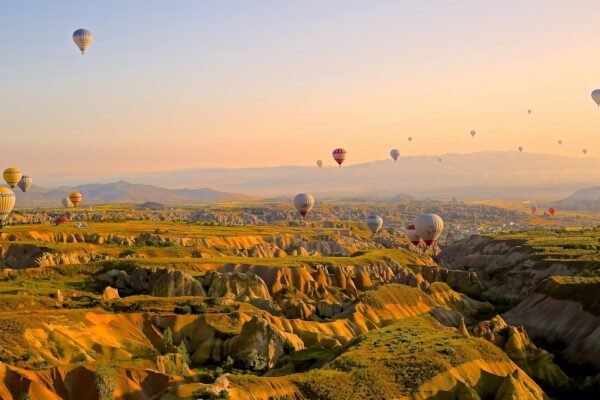
- Major tourist hubs — Istanbul, Cappadocia, coastal resorts like Antalya or Bodrum — are frequented by millions every year. Crime against foreigners tends to be non-violent (pickpocketing, scams), but keep your wits and secure belongings.
- Border areas and the southeast have elevated risks from terrorism and armed conflict; official guidance often says “do not travel” to some of these zones.
- Airports, ferries, and overland cross-border routes can be affected by regional events or sudden airspace restrictions. That’s why news about tensions in neighboring countries matters even if Turkey itself seems calm.
Practical steps before you go (or cancel)
If you’re still wondering is it safe to travel to turkey right now, do these five simple things:
- Check your government travel advice (US, UK, Canada, your country) for the latest regional warnings and “do not travel” areas.
- Register with your embassy or consulate if possible — it’s free and they’ll contact you in an emergency.
- Buy flexible tickets and travel insurance with crisis coverage. Flight cancellations or sudden advisories happen; refunds and rebooking flexibility save a headache.
- Avoid demonstrations and large gatherings; they can turn volatile fast. If you get caught near one, leave calmly and keep a low profile.
- Keep digital and printed copies of your passport, emergency contacts, and bookings. Mobile service can be patchy in rural areas.
Entry rules, health, and practical logistics
Good news: Turkey’s standard entry and visa rules are straightforward for many nationalities (e-visas, visa exemptions etc.), but always confirm requirements with the Turkish Ministry of Foreign Affairs. If you’re traveling during a pandemic wave or new health alert, check airline rules as well. At the moment routine COVID vaccination or testing requirements are generally not in force — but that can change so verify before you fly.
Real-world example — a tiny travel scare that turned into a good story
Last year I had a friend, Sam, who booked a last-minute city break to Istanbul. Two days before departure a regional news flare-up altered flight paths and the airline re-routed the connection through a different hub. Sam was stressed, but had travel insurance, the airline rebooked him, and his hotel stayed flexible. When he landed two days late, he laughed about the chaos over baklava — and said the sightseeing was worth the fuss. The funny part is, that little disruption could’ve been a disaster without the right paperwork and contingency. So yeah, plan for glitches.
On-the-ground safety tips (short, usable)
- Keep your passport in a hotel safe & carry a photocopy.
- Use official taxis (apps or airport stands) rather than unmetered cars.
- Be cautious around political rallies, and follow local media for developments.
- Don’t flash expensive gear in crowded bazaars; petty thieves look for tourists.
If you’re traveling to border regions or the southeast — extra caution
If your route takes you near the Syrian, Iraqi, or Armenian borders, you need to ask: is your reason critical? Many governments explicitly advise against travel to these areas because of terrorism and armed conflict. Military operations and sudden security incidents can close roads and cross-border points without warning. For most tourists, sticking to established tourist corridors (Istanbul, Aegean and Mediterranean coasts, Cappadocia) massively reduces these risks.
Flights, airlines and transit — what to watch
Airlines will reroute flights if airspace is closed or dangerous. Recently, wider regional tensions caused airspace disruption in parts of the Middle East, affecting connections and leaving some travelers stranded temporarily. That can mean longer flight times or changes in layover airports, so check your airline’s advisories and consider route flexibility.
Is it safe for families, solo travelers, or older travelers?
- Families: Generally yes for mainstream tourist spots — resorts and guided tours are common and well-run. Still, keep children close in crowded areas.
- Solo travelers: Exercise normal solo-travel caution: avoid late-night walking alone, share your itinerary with someone at home, and use reputable accommodations.
- Older travelers: Look for packages or tours that include transfers and comfortable lodging — that minimizes stress and exposure to unexpected risks.
How to read a travel advisory without panicking
Travel advisories are conservative by design; they aim to cover extremes. Read the reasoning (terrorism, natural disaster, civil unrest) and the specific regions mentioned. If your hotel is in a city that’s not named in the advisory and consular services are operating normally, you can often proceed with caution rather than cancel outright. Still, if an advisory says “do not travel” to your exact destination, take it seriously.
Final, stubbornly practical advice
If you ask me, don’t let fear steal the trip — but don’t pretend risk doesn’t exist. Balance is the thing: check authoritative advisories (U.S. Department of State, UK FCDO, your own country’s foreign office), insure the trip, plan contingencies, and avoid high-risk border zones. If you want a near-zero drama vacation, pick a popular tourist area on the Aegean or Mediterranean coast and book with well-known tour operators. If you’re chasing off-the-beaten-path experiences, accept that plans may shift and that safety needs active attention.





Leave a Reply